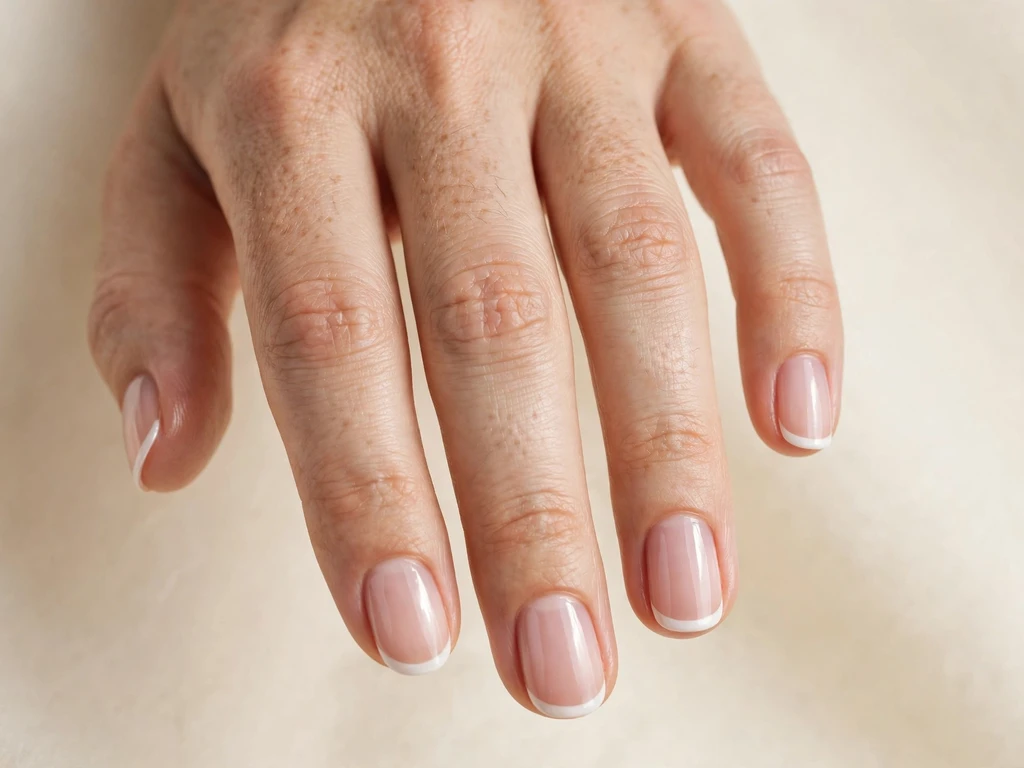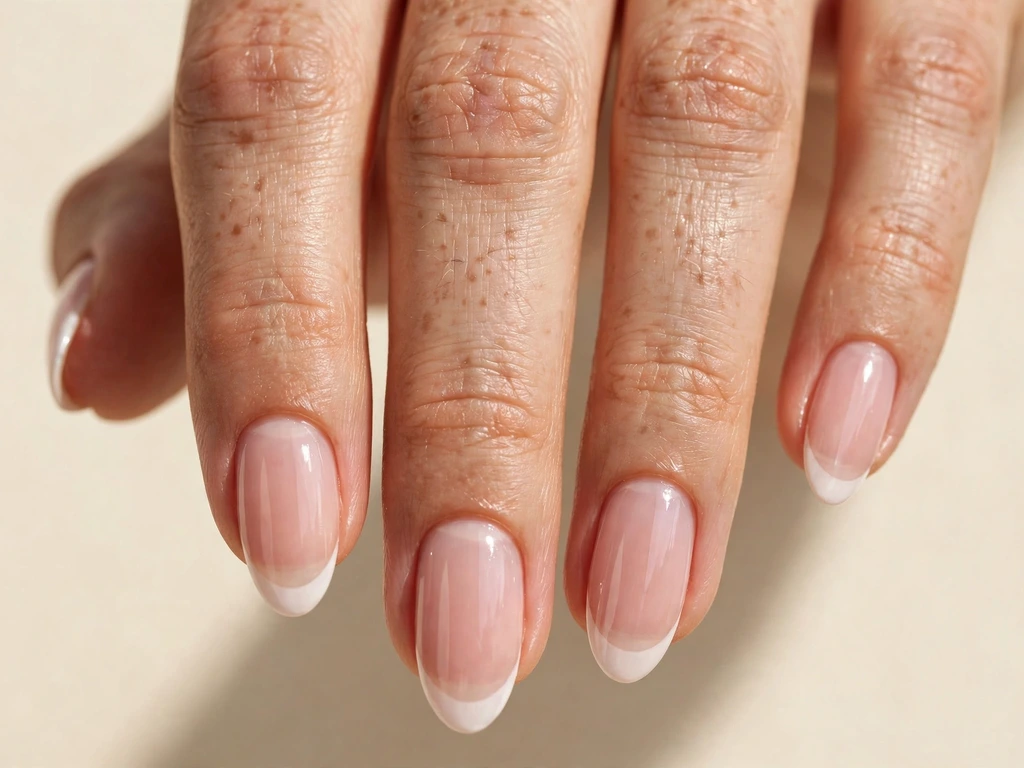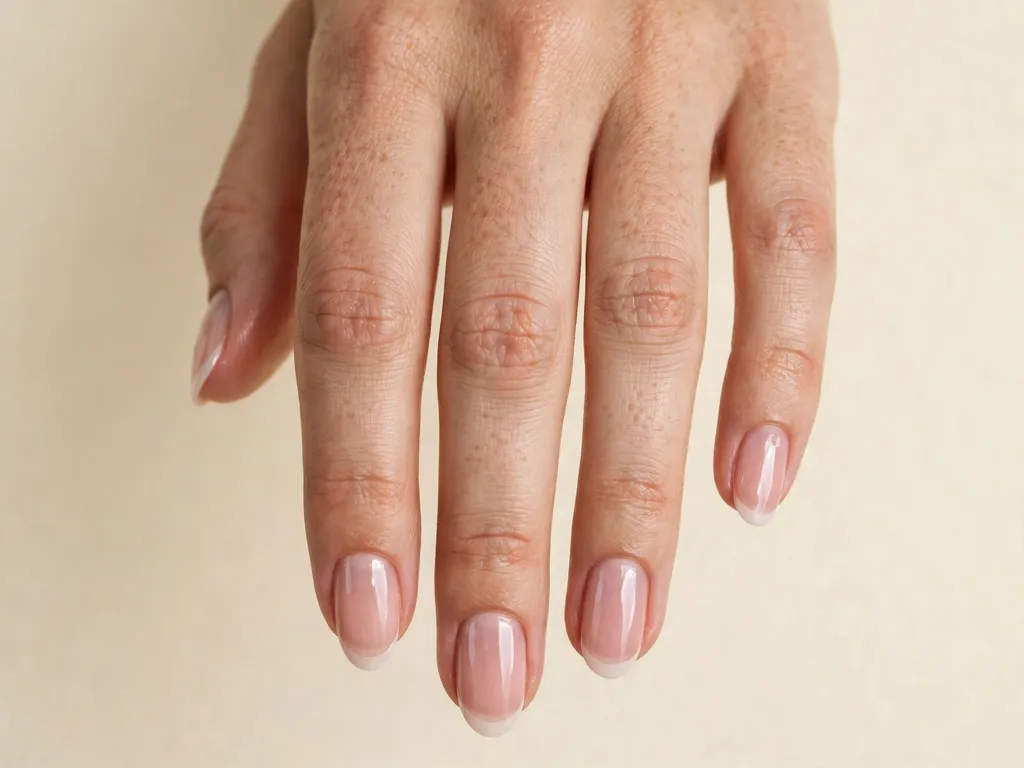
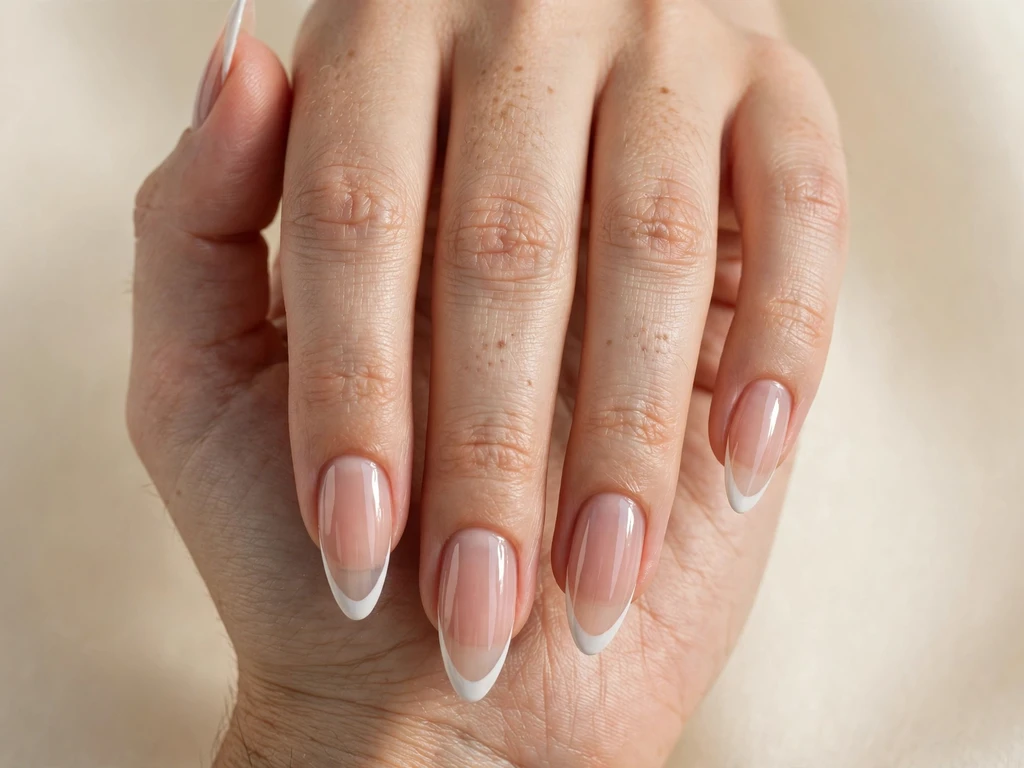
Classic French Tip Nails for Long Nails are the foundation of the whole French manicure, because everything else — colour tips, patterns, finishes — is a variation on this one clean idea: a sheer, natural-looking base and a white tip with a neat smile line. When the shape is even, the tip width is balanced and the white is painted in two thin coats, a classic tip looks polished on any hand, in any season, beside any outfit. That reliability is why the classic white family has lasted while trends around it have come and gone, and why it is the right place to start a classic silo.
This guide is written as a genuine guide to classic french tip nails for long nails, not just a gallery of pictures. Every one of the 25 variations below follows the same working method — file and shape the nail first, paint a sheer pink or sheer nude base, paint the white tip in two thin coats, let it dry fully, add at most one small accent, then seal it — and each variation explains what changes: the tip width, the smile line and the finish, all kept true to the long shape or length this guide is about. That shared method matters, because once you can paint one clean classic long tip, you can paint all 25; the only thing that changes is the proportion and the small detail, not the technique itself.
The 25 variations move from the easiest starting points — a classic tip, a thin tip and a soft tip — through deep, straight and tapered tips, to pearl-sheen, double-line, accent-dot and formal variations. Each variation notes the tip width to aim for, the tools it needs, and the mistake most likely to spoil it, so you can choose a version that matches your nails and your occasion, rather than picking the prettiest picture and struggling with a proportion that was never shaped for your hands.
How to Choose a Classic French Tip Nails for Long Nails You Can Actually Paint
Start with the shape and length, because a classic long French tip lives or dies on proportion. File to the same long length on all ten nails, support each nail from underneath while filing so a long nail does not bend or split, and check the set from the side for an even profile. Work on one nail at a time, rest your hand on a flat surface, and paint in short, steady strokes.
Next, choose the tip width to suit the nail. As a rule, keep the tip to about a quarter of the visible nail on a medium nail and about a fifth on a short nail, and paint the tip in two thin coats, letting the first coat dry before the second so the colour stays smooth and even rather than streaky. Paint the smile line as a gentle curve with its highest point in the centre of the nail, and clean up the line with a flat brush dipped in remover before you seal it. A balanced tip makes the hand look longer and neater, while a tip painted too wide covers the nail and turns a French tip into a coloured nail.
Finally, match the finish to the occasion. A classic long tip with a glossy seal suits almost every occasion, from work to weddings, because the shine keeps the white looking fresh. The table below turns those choices into a quick comparison.
| Choice | Best for | Think twice if |
|---|---|---|
| Classic balanced tip | Beginners, work, every occasion | You want an obvious colour |
| Narrow tip on short nails | First attempt, work, everyday wear | You want bold, visible tips |
| Deep tip on long nails | Evening events, photographs | You want a quiet daytime look |
| Soft rounded tip | Daytime, family gatherings | You want a crisp, straight edge |
| Straight tip on square nails | Work, modern outfits | You want a soft, curved line |
| Tapered tip on coffin nails | Weddings, formal occasions | You want a bold, straight tip |
| Pearl sheen tip | Daytime parties, photographs | You want a plain, flat white |
| One accent dot | Subtle festive or party look | You want decoration on every nail |
| Glossy finish | Every occasion, photographs | You want a flat, muted finish |
| Balanced tip on medium nails | Every shape, every occasion | You want a very wide or very narrow tip |
Before you start, gather the tools: a nail file, a base coat, a sheer pink or sheer nude base, your white tip polish, a clean-up brush or cotton bud with remover, and a glossy top coat. Work in this order every time: file and shape, base coat, base colour, tip in two thin coats, let it dry fully, add any single accent, and finish with a top coat. Stop while the design still looks clean — most spoiled classic tips are spoiled by a tip painted too wide, a thick coat that floods the tip, or a rushed second coat.
25 Classic French Tip Nails for Long Nails Ideas
1. Classic Tip on Long Almond Nails
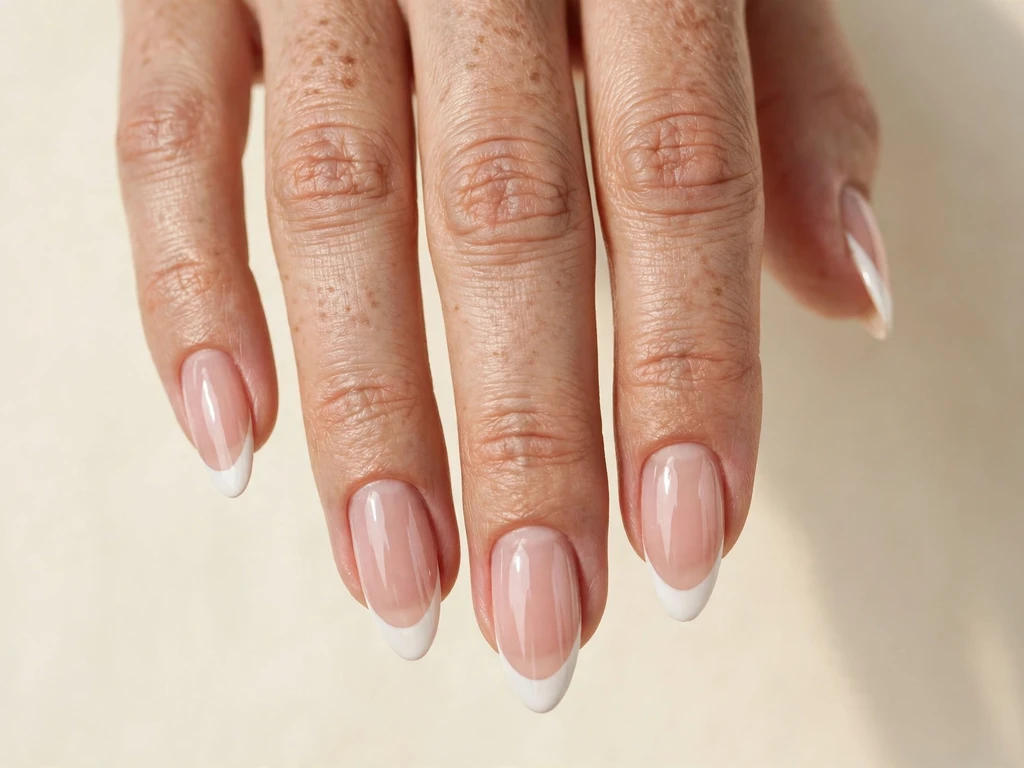
File the nails to a long almond shape first, keeping all ten the same long length and the same shape, then paint a sheer pink or sheer nude base and a crisp white French tip that is balanced, about a quarter of the nail, with a clean curved smile line. Paint the white in two thin coats, letting the first coat dry before the second so the colour stays smooth and even rather than streaky, and clean up the smile line with a flat brush dipped in remover before you seal it. A long almond shape suits this classic long variation because the shape gives the white tip a clear, balanced line, and the sheer base keeps the white from looking harsh against the nail.
This variation suits work, family gatherings and everyday wear alike. It is a strong choice for readers who want a classic long French tip that looks deliberate and polished without any bold decoration, and it pairs with almost any outfit because the classic long palette stays quiet beside clothing and jewellery. The mistake to avoid is painting the tip in one thick coat, which shows brush marks and dries unevenly; a classic long tip shows every shortcut, so thin coats, a dry first coat and a sealed free edge matter more here than speed.
2. Thin Tip on Long Square Nails
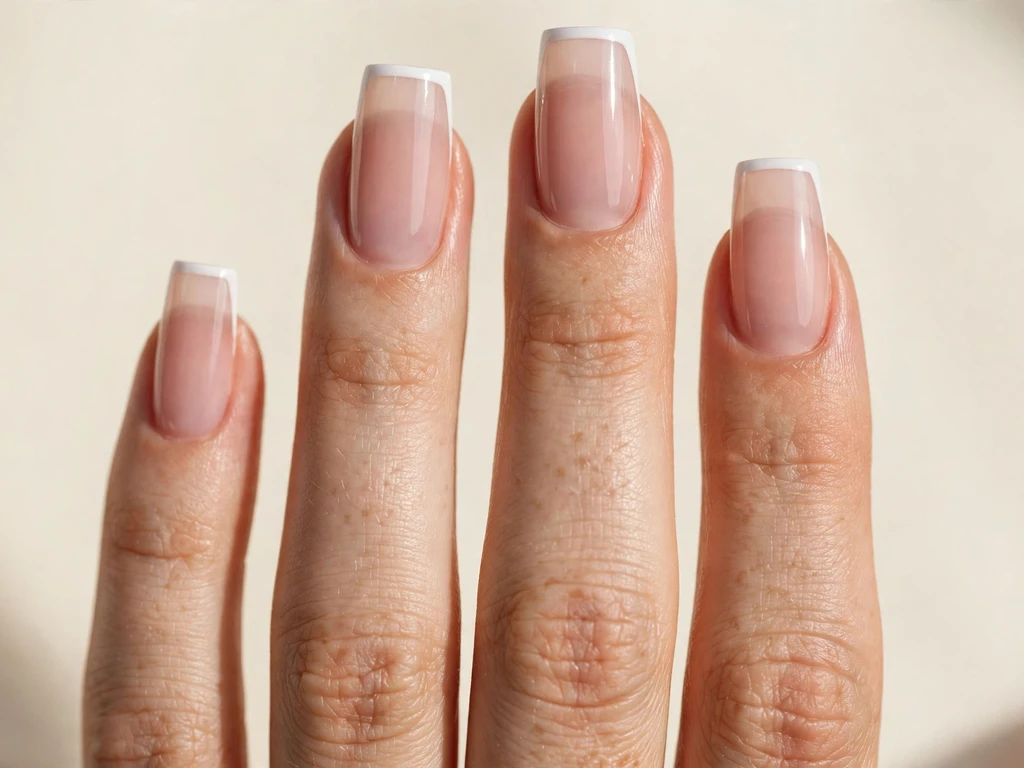
File the nails to a long square shape first, keeping all ten the same long length and the same shape, then paint a sheer pink or sheer nude base and a crisp white French tip that is narrow, about a fifth of the nail, with a neat, crisp smile line. Paint the white in two thin coats, letting the first coat dry before the second so the colour stays smooth and even rather than streaky, and clean up the smile line with a flat brush dipped in remover before you seal it. A long square shape suits this classic long variation because the shape gives the white tip a clear, balanced line, and the sheer base keeps the white from looking harsh against the nail.
This variation suits a wedding, a formal dinner or a special photograph. It is a strong choice for readers who want a classic long French tip that looks deliberate and polished without any bold decoration, and it pairs with almost any outfit because the classic long palette stays quiet beside clothing and jewellery. The mistake to avoid is painting the tip too wide for the nail, which hides the nail bed and makes the set look painted over; a classic long tip shows every shortcut, so thin coats, a dry first coat and a sealed free edge matter more here than speed.
3. Soft Tip on Long Oval Nails
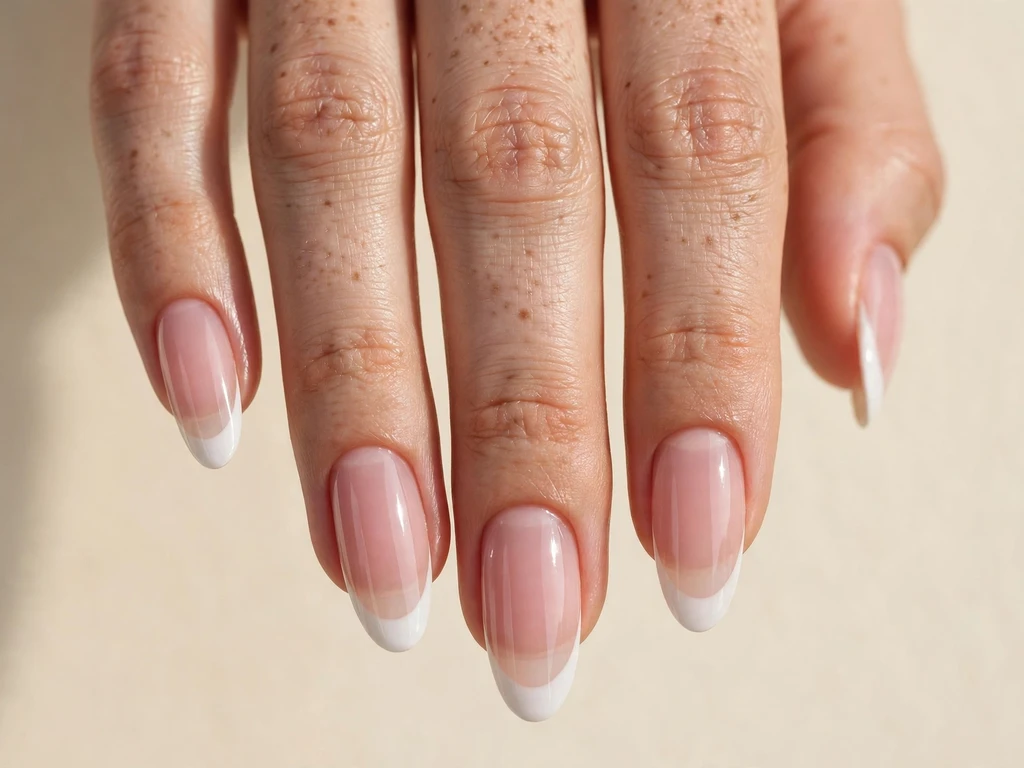
File the nails to a long oval shape first, keeping all ten the same long length and the same shape, then paint a sheer pink or sheer nude base and a crisp white French tip that is balanced, about a quarter of the nail, with a gently rounded smile line. Paint the white in two thin coats, letting the first coat dry before the second so the colour stays smooth and even rather than streaky, and clean up the smile line with a flat brush dipped in remover before you seal it. A long oval shape suits this classic long variation because the shape gives the white tip a clear, balanced line, and the sheer base keeps the white from looking harsh against the nail.
This variation suits daytime outings, family photographs and casual celebrations. It is a strong choice for readers who want a classic long French tip that looks deliberate and polished without any bold decoration, and it pairs with almost any outfit because the classic long palette stays quiet beside clothing and jewellery. The mistake to avoid is rushing the second coat before the first is dry, which drags the white and blurs the smile line; a classic long tip shows every shortcut, so thin coats, a dry first coat and a sealed free edge matter more here than speed.
4. Deep Tip on Long Round Nails
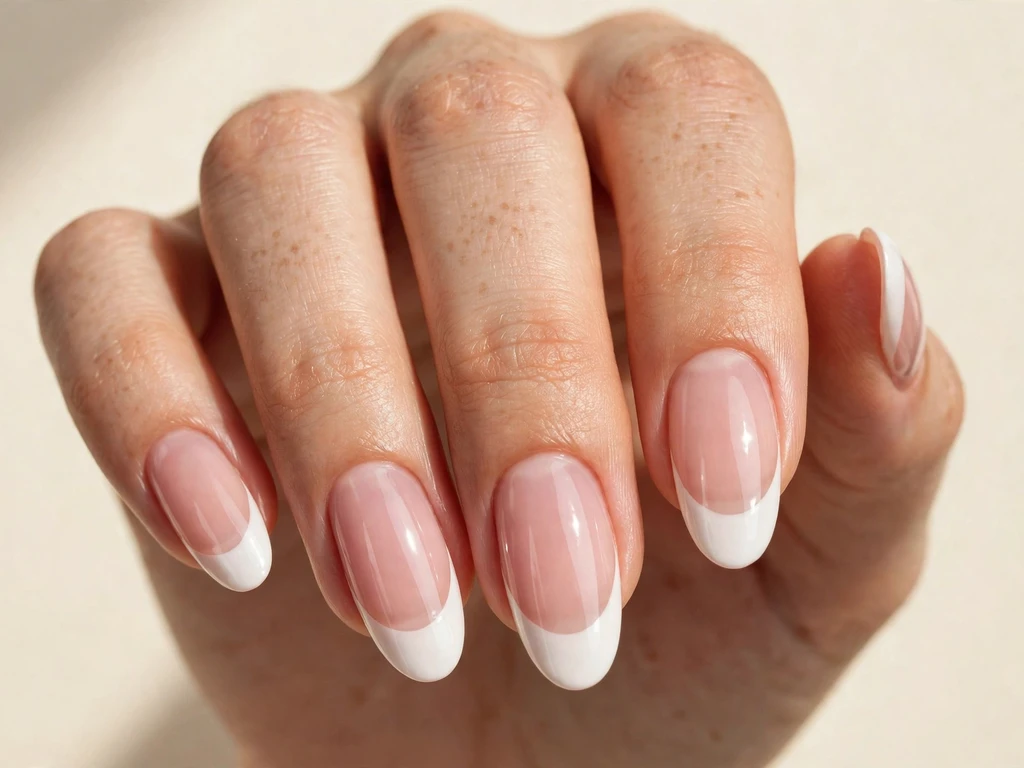
File the nails to a long round shape first, keeping all ten the same long length and the same shape, then paint a sheer pink or sheer nude base and a crisp white French tip that is wide, about a third of the nail, with a deep curved smile line. Paint the white in two thin coats, letting the first coat dry before the second so the colour stays smooth and even rather than streaky, and clean up the smile line with a flat brush dipped in remover before you seal it. A long round shape suits this classic long variation because the shape gives the white tip a clear, balanced line, and the sheer base keeps the white from looking harsh against the nail.
This variation suits evening events, dinners and occasions when the hands are on show. It is a strong choice for readers who want a classic long French tip that looks deliberate and polished without any bold decoration, and it pairs with almost any outfit because the classic long palette stays quiet beside clothing and jewellery. The mistake to avoid is skipping the clean-up step, so a wobble in the smile line stays visible after sealing; a classic long tip shows every shortcut, so thin coats, a dry first coat and a sealed free edge matter more here than speed.
5. Narrow Tip on Long Squoval Nails
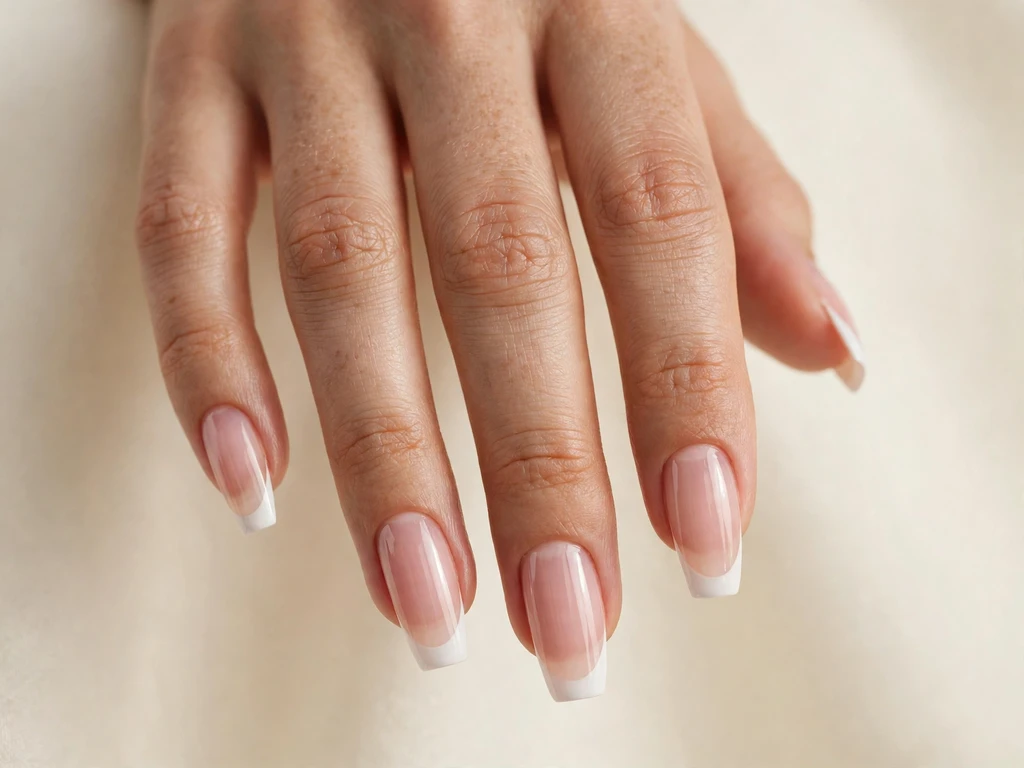
File the nails to a long squoval shape first, keeping all ten the same long length and the same shape, then paint a sheer pink or sheer nude base and a crisp white French tip that is narrow, about a fifth of the nail, with a tapered smile line. Paint the white in two thin coats, letting the first coat dry before the second so the colour stays smooth and even rather than streaky, and clean up the smile line with a flat brush dipped in remover before you seal it. A long squoval shape suits this classic long variation because the shape gives the white tip a clear, balanced line, and the sheer base keeps the white from looking harsh against the nail.
This variation suits quiet gatherings, office days and relaxed weekends. It is a strong choice for readers who want a classic long French tip that looks deliberate and polished without any bold decoration, and it pairs with almost any outfit because the classic long palette stays quiet beside clothing and jewellery. The mistake to avoid is forgetting to seal the free edge, which lets the tip chip sooner at the corners; a classic long tip shows every shortcut, so thin coats, a dry first coat and a sealed free edge matter more here than speed.
6. Straight Tip on Long Coffin Nails
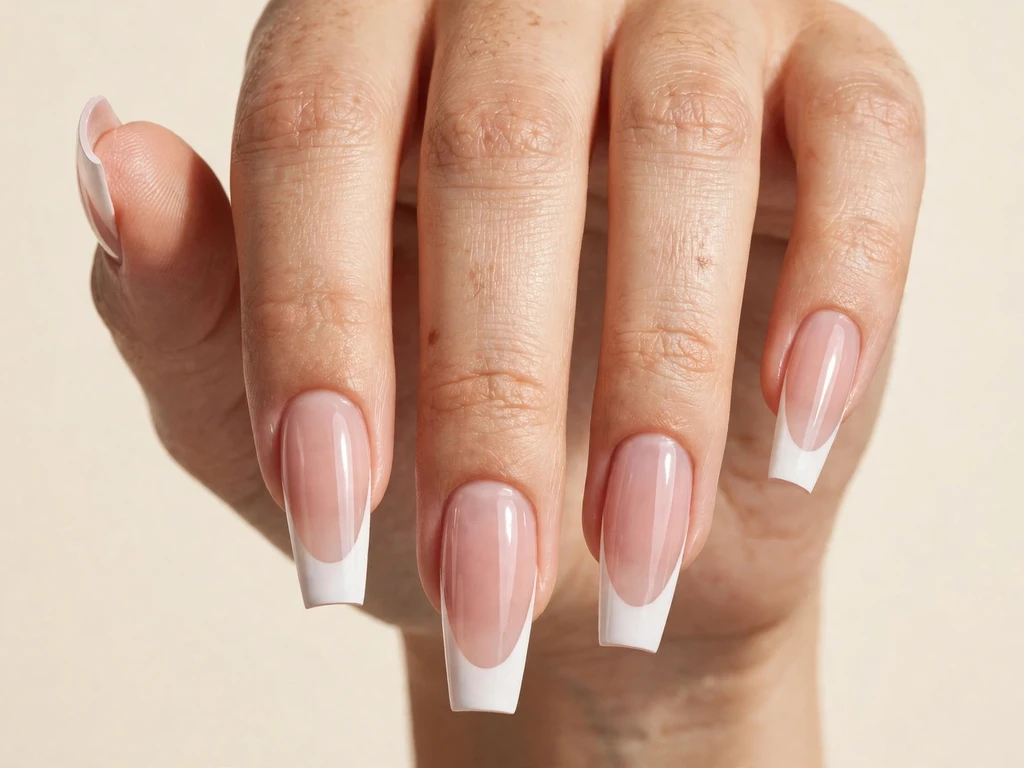
File the nails to a long coffin shape first, keeping all ten the same long length and the same shape, then paint a sheer pink or sheer nude base and a crisp white French tip that is balanced, about a quarter of the nail, with a straight smile line with softly rounded corners. Paint the white in two thin coats, letting the first coat dry before the second so the colour stays smooth and even rather than streaky, and clean up the smile line with a flat brush dipped in remover before you seal it. A long coffin shape suits this classic long variation because the shape gives the white tip a clear, balanced line, and the sheer base keeps the white from looking harsh against the nail.
This variation suits work, family gatherings and everyday wear alike. It is a strong choice for readers who want a classic long French tip that looks deliberate and polished without any bold decoration, and it pairs with almost any outfit because the classic long palette stays quiet beside clothing and jewellery. The mistake to avoid is painting the tip in one thick coat, which shows brush marks and dries unevenly; a classic long tip shows every shortcut, so thin coats, a dry first coat and a sealed free edge matter more here than speed.
7. Elegant Tip on Long Almond Nails
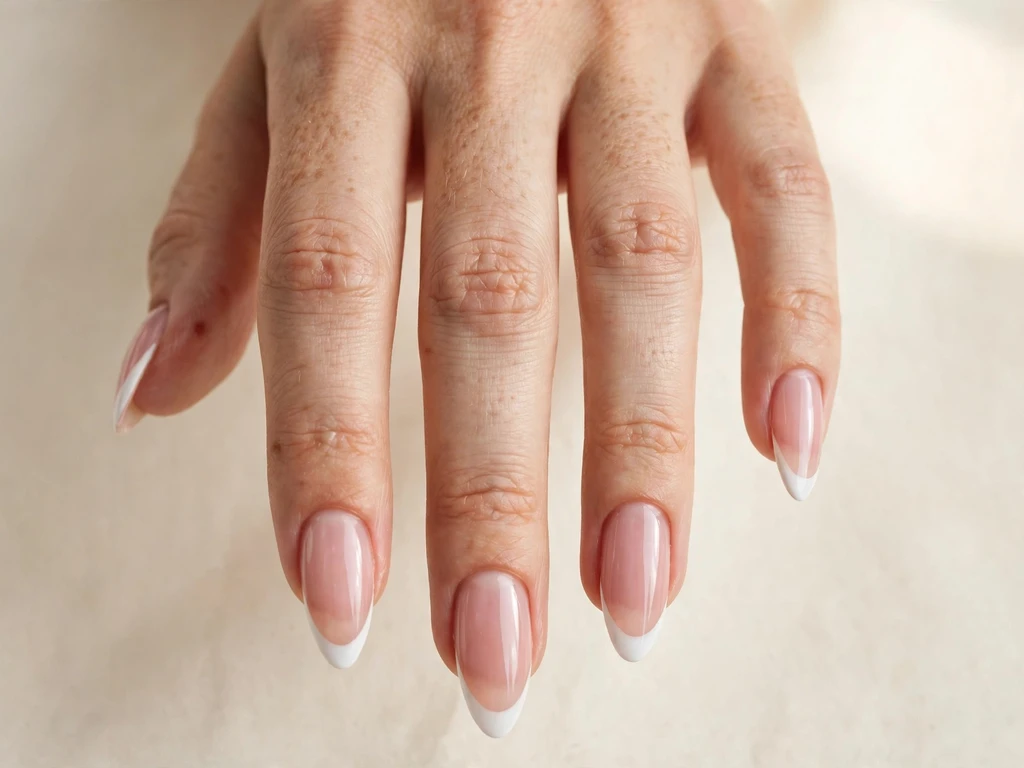
File the nails to a long almond shape first, keeping all ten the same long length and the same shape, then paint a sheer pink or sheer nude base and a crisp white French tip that is balanced, about a quarter of the nail, with a refined smile line. Paint the white in two thin coats, letting the first coat dry before the second so the colour stays smooth and even rather than streaky, and clean up the smile line with a flat brush dipped in remover before you seal it. A long almond shape suits this classic long variation because the shape gives the white tip a clear, balanced line, and the sheer base keeps the white from looking harsh against the nail.
This variation suits a wedding, a formal dinner or a special photograph. It is a strong choice for readers who want a classic long French tip that looks deliberate and polished without any bold decoration, and it pairs with almost any outfit because the classic long palette stays quiet beside clothing and jewellery. The mistake to avoid is painting the tip too wide for the nail, which hides the nail bed and makes the set look painted over; a classic long tip shows every shortcut, so thin coats, a dry first coat and a sealed free edge matter more here than speed.
8. Tapered Tip on Long Square Nails
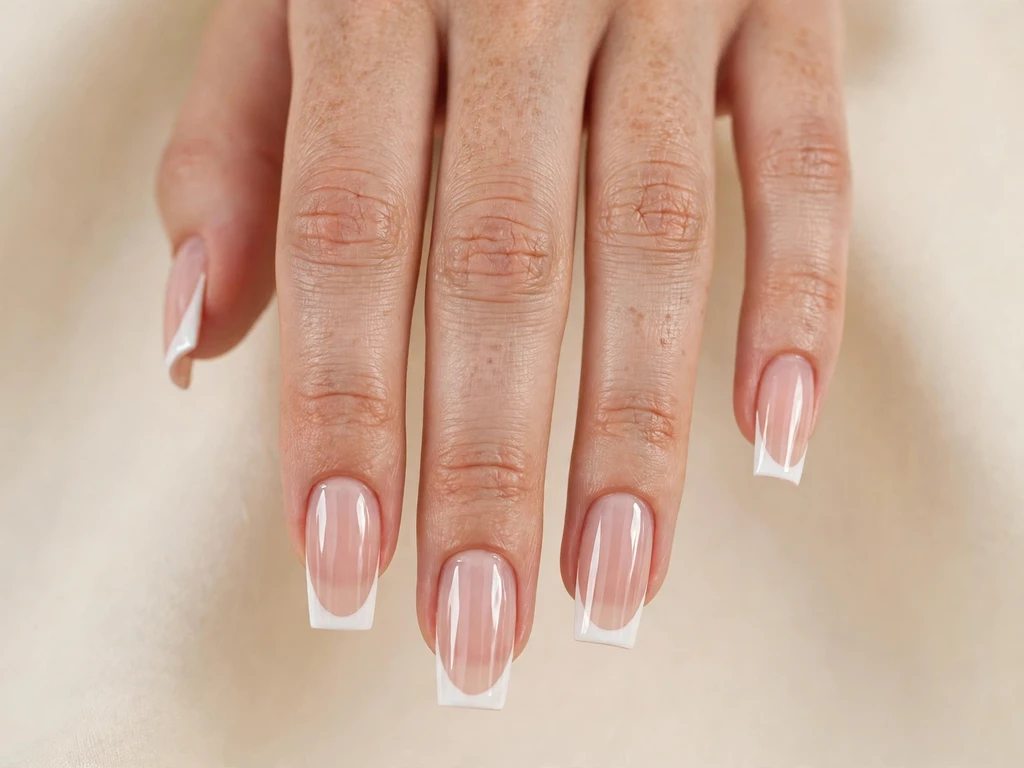
File the nails to a long square shape first, keeping all ten the same long length and the same shape, then paint a sheer pink or sheer nude base and a crisp white French tip that is balanced, about a quarter of the nail, with a tapered smile line that follows the nail shape. Paint the white in two thin coats, letting the first coat dry before the second so the colour stays smooth and even rather than streaky, and clean up the smile line with a flat brush dipped in remover before you seal it. A long square shape suits this classic long variation because the shape gives the white tip a clear, balanced line, and the sheer base keeps the white from looking harsh against the nail.
This variation suits daytime outings, family photographs and casual celebrations. It is a strong choice for readers who want a classic long French tip that looks deliberate and polished without any bold decoration, and it pairs with almost any outfit because the classic long palette stays quiet beside clothing and jewellery. The mistake to avoid is rushing the second coat before the first is dry, which drags the white and blurs the smile line; a classic long tip shows every shortcut, so thin coats, a dry first coat and a sealed free edge matter more here than speed.
9. Wide Tip on Long Oval Nails
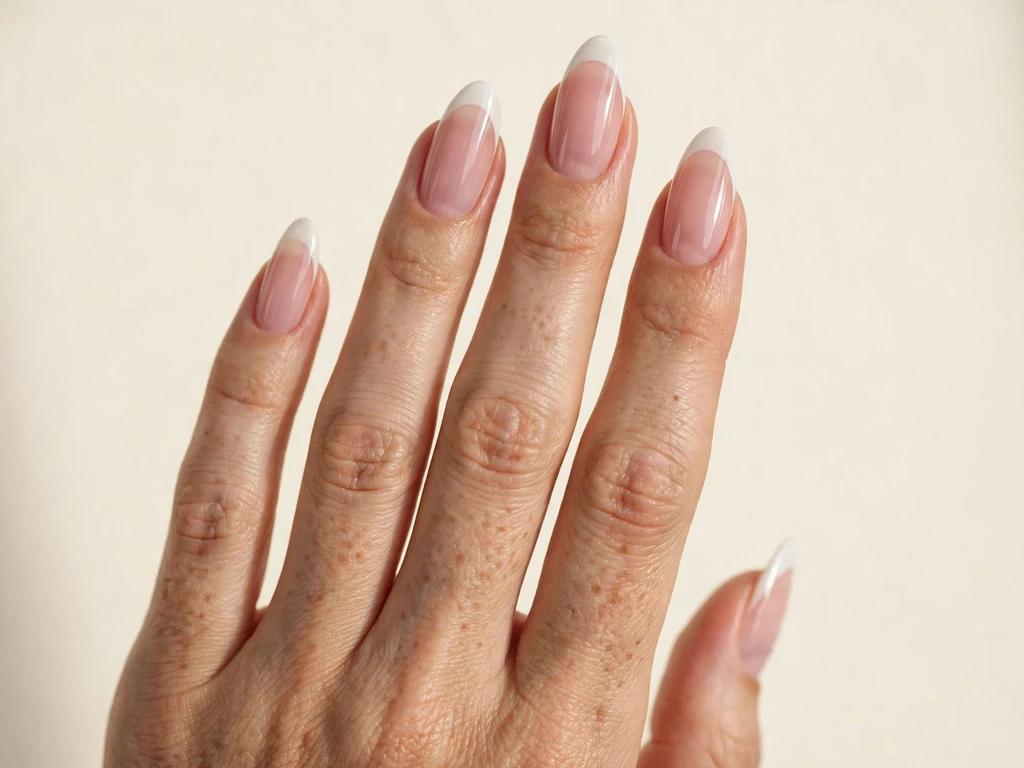
File the nails to a long oval shape first, keeping all ten the same long length and the same shape, then paint a sheer pink or sheer nude base and a crisp white French tip that is wide, about a third of the nail, with a broad curved smile line. Paint the white in two thin coats, letting the first coat dry before the second so the colour stays smooth and even rather than streaky, and clean up the smile line with a flat brush dipped in remover before you seal it. A long oval shape suits this classic long variation because the shape gives the white tip a clear, balanced line, and the sheer base keeps the white from looking harsh against the nail.
This variation suits evening events, dinners and occasions when the hands are on show. It is a strong choice for readers who want a classic long French tip that looks deliberate and polished without any bold decoration, and it pairs with almost any outfit because the classic long palette stays quiet beside clothing and jewellery. The mistake to avoid is skipping the clean-up step, so a wobble in the smile line stays visible after sealing; a classic long tip shows every shortcut, so thin coats, a dry first coat and a sealed free edge matter more here than speed.
10. Everyday Tip on Long Round Nails
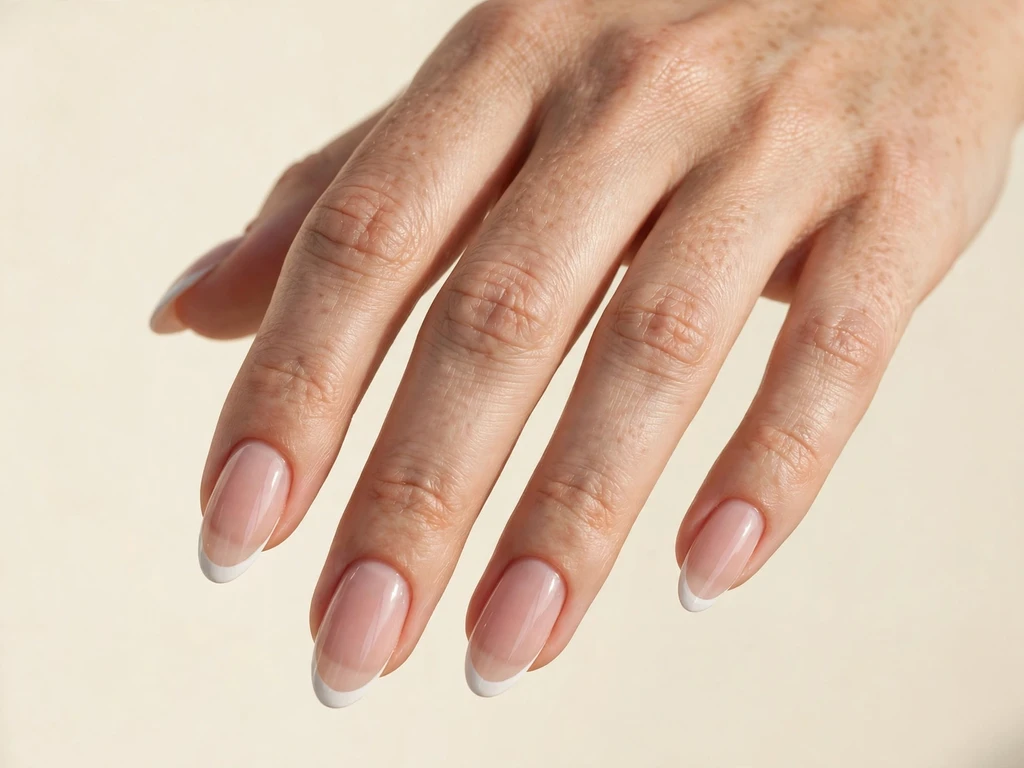
File the nails to a long round shape first, keeping all ten the same long length and the same shape, then paint a sheer pink or sheer nude base and a crisp white French tip that is narrow, about a fifth of the nail, with a neat straight smile line. Paint the white in two thin coats, letting the first coat dry before the second so the colour stays smooth and even rather than streaky, and clean up the smile line with a flat brush dipped in remover before you seal it. A long round shape suits this classic long variation because the shape gives the white tip a clear, balanced line, and the sheer base keeps the white from looking harsh against the nail.
This variation suits quiet gatherings, office days and relaxed weekends. It is a strong choice for readers who want a classic long French tip that looks deliberate and polished without any bold decoration, and it pairs with almost any outfit because the classic long palette stays quiet beside clothing and jewellery. The mistake to avoid is forgetting to seal the free edge, which lets the tip chip sooner at the corners; a classic long tip shows every shortcut, so thin coats, a dry first coat and a sealed free edge matter more here than speed.
11. Pearl Sheen Tip on Long Squoval Nails
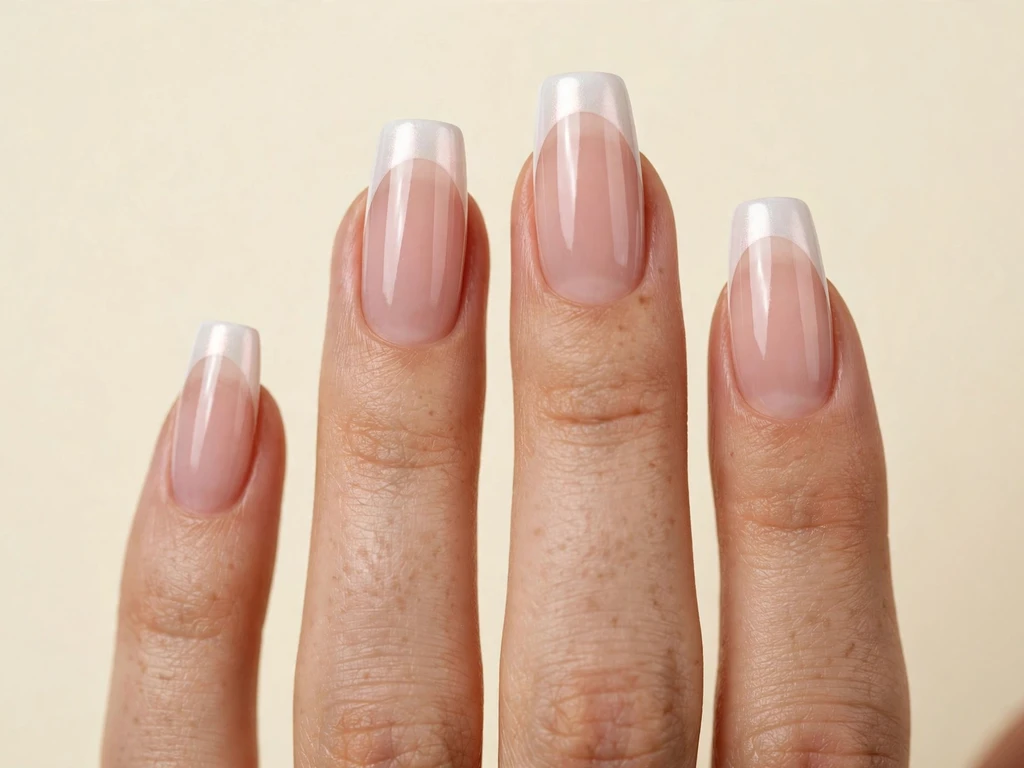
File the nails to a long squoval shape first, keeping all ten the same long length and the same shape, then paint a sheer pink or sheer nude base and a crisp white French tip that is balanced, about a quarter of the nail, with a soft curved smile line. Paint the white in two thin coats, letting the first coat dry before the second so the colour stays smooth and even rather than streaky, and clean up the smile line with a flat brush dipped in remover before you seal it. A long squoval shape suits this classic long variation because the shape gives the white tip a clear, balanced line, and the sheer base keeps the white from looking harsh against the nail.
This variation suits work, family gatherings and everyday wear alike. It is a strong choice for readers who want a classic long French tip that looks deliberate and polished without any bold decoration, and it pairs with almost any outfit because the classic long palette stays quiet beside clothing and jewellery. The mistake to avoid is painting the tip in one thick coat, which shows brush marks and dries unevenly; a classic long tip shows every shortcut, so thin coats, a dry first coat and a sealed free edge matter more here than speed.
12. Bold Tip on Long Coffin Nails
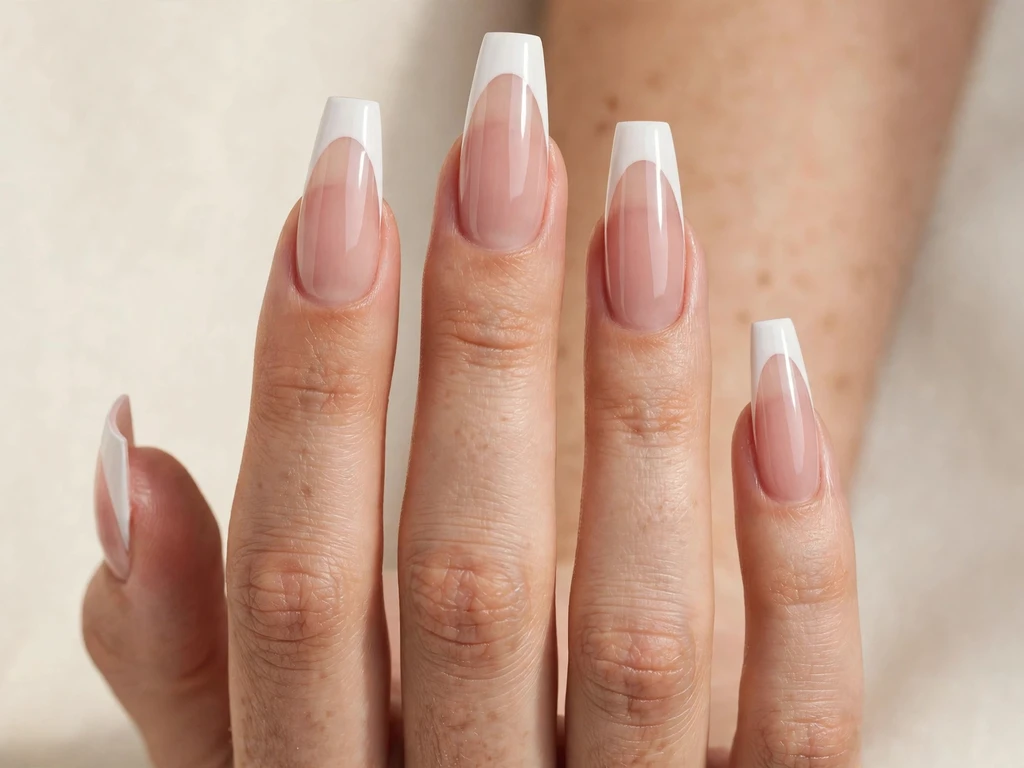
File the nails to a long coffin shape first, keeping all ten the same long length and the same shape, then paint a sheer pink or sheer nude base and a crisp white French tip that is wide, about a third of the nail, with a bold smile line. Paint the white in two thin coats, letting the first coat dry before the second so the colour stays smooth and even rather than streaky, and clean up the smile line with a flat brush dipped in remover before you seal it. A long coffin shape suits this classic long variation because the shape gives the white tip a clear, balanced line, and the sheer base keeps the white from looking harsh against the nail.
This variation suits a wedding, a formal dinner or a special photograph. It is a strong choice for readers who want a classic long French tip that looks deliberate and polished without any bold decoration, and it pairs with almost any outfit because the classic long palette stays quiet beside clothing and jewellery. The mistake to avoid is painting the tip too wide for the nail, which hides the nail bed and makes the set look painted over; a classic long tip shows every shortcut, so thin coats, a dry first coat and a sealed free edge matter more here than speed.
13. Delicate Tip on Long Almond Nails
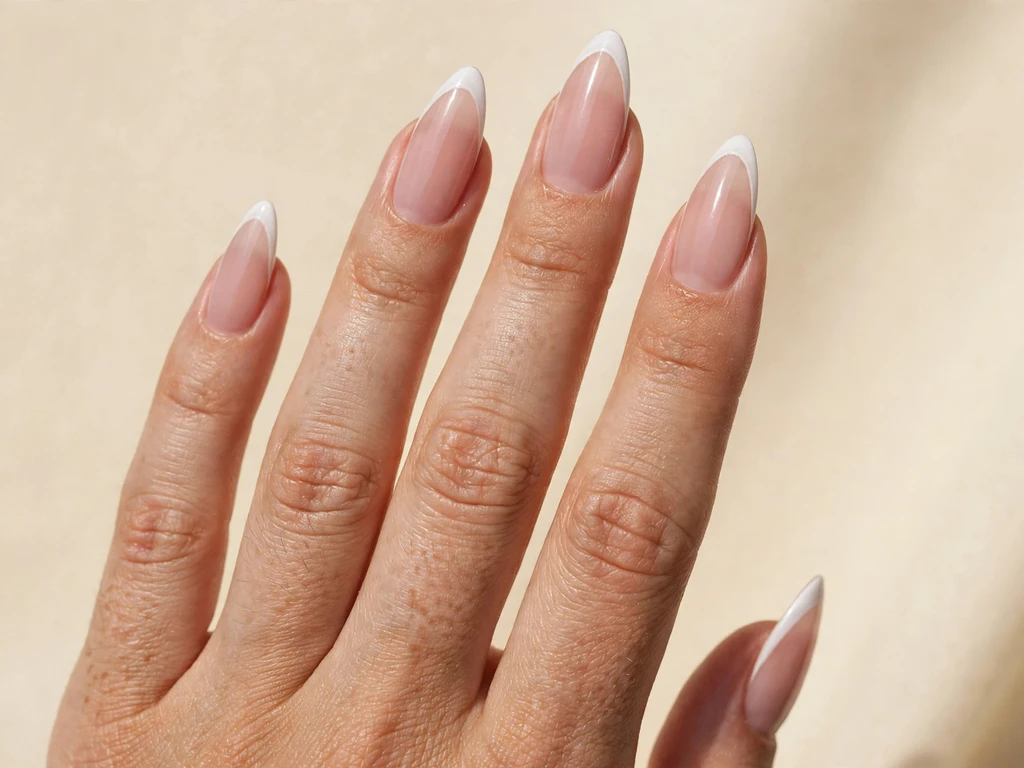
File the nails to a long almond shape first, keeping all ten the same long length and the same shape, then paint a sheer pink or sheer nude base and a crisp white French tip that is narrow, about a fifth of the nail, with a delicate curved smile line. Paint the white in two thin coats, letting the first coat dry before the second so the colour stays smooth and even rather than streaky, and clean up the smile line with a flat brush dipped in remover before you seal it. A long almond shape suits this classic long variation because the shape gives the white tip a clear, balanced line, and the sheer base keeps the white from looking harsh against the nail.
This variation suits daytime outings, family photographs and casual celebrations. It is a strong choice for readers who want a classic long French tip that looks deliberate and polished without any bold decoration, and it pairs with almost any outfit because the classic long palette stays quiet beside clothing and jewellery. The mistake to avoid is rushing the second coat before the first is dry, which drags the white and blurs the smile line; a classic long tip shows every shortcut, so thin coats, a dry first coat and a sealed free edge matter more here than speed.
14. Double Line Tip on Long Square Nails
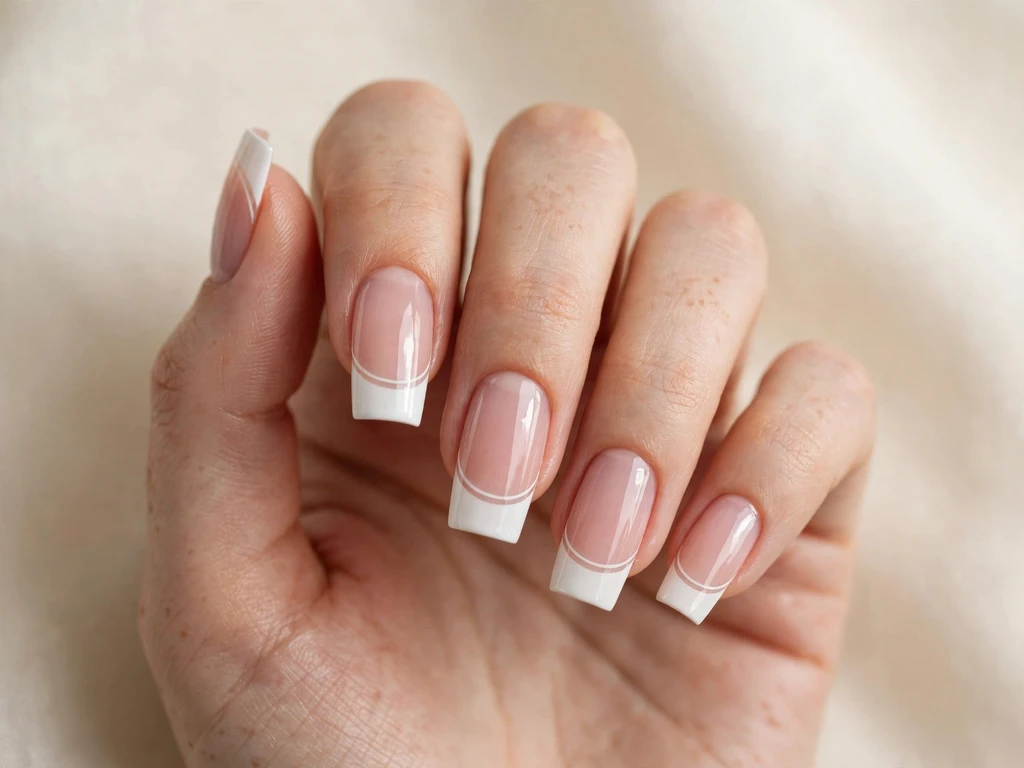
File the nails to a long square shape first, keeping all ten the same long length and the same shape, then paint a sheer pink or sheer nude base and a crisp white French tip that is balanced, about a quarter of the nail, with a clean smile line with a second very thin white line just below it. Paint the white in two thin coats, letting the first coat dry before the second so the colour stays smooth and even rather than streaky, and clean up the smile line with a flat brush dipped in remover before you seal it. A long square shape suits this classic long variation because the shape gives the white tip a clear, balanced line, and the sheer base keeps the white from looking harsh against the nail.
This variation suits evening events, dinners and occasions when the hands are on show. It is a strong choice for readers who want a classic long French tip that looks deliberate and polished without any bold decoration, and it pairs with almost any outfit because the classic long palette stays quiet beside clothing and jewellery. The mistake to avoid is skipping the clean-up step, so a wobble in the smile line stays visible after sealing; a classic long tip shows every shortcut, so thin coats, a dry first coat and a sealed free edge matter more here than speed.
15. Glossy Tip on Long Oval Nails
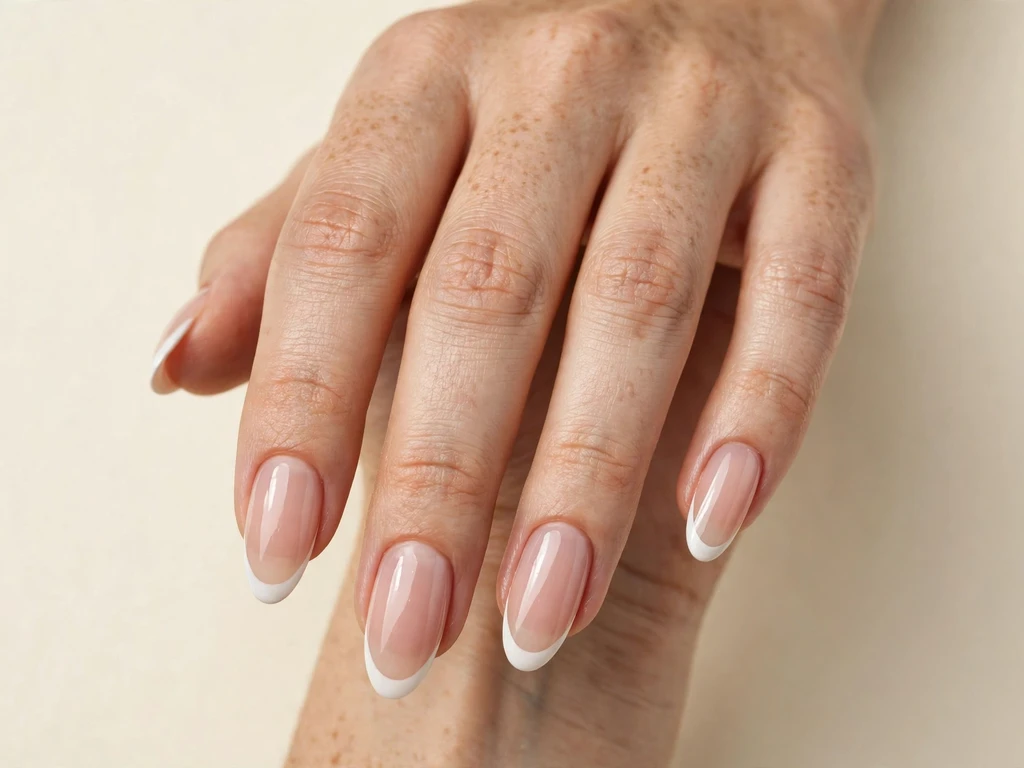
File the nails to a long oval shape first, keeping all ten the same long length and the same shape, then paint a sheer pink or sheer nude base and a crisp white French tip that is balanced, about a quarter of the nail, with a polished smile line. Paint the white in two thin coats, letting the first coat dry before the second so the colour stays smooth and even rather than streaky, and clean up the smile line with a flat brush dipped in remover before you seal it. A long oval shape suits this classic long variation because the shape gives the white tip a clear, balanced line, and the sheer base keeps the white from looking harsh against the nail.
This variation suits quiet gatherings, office days and relaxed weekends. It is a strong choice for readers who want a classic long French tip that looks deliberate and polished without any bold decoration, and it pairs with almost any outfit because the classic long palette stays quiet beside clothing and jewellery. The mistake to avoid is forgetting to seal the free edge, which lets the tip chip sooner at the corners; a classic long tip shows every shortcut, so thin coats, a dry first coat and a sealed free edge matter more here than speed.
16. Work Tip on Long Round Nails
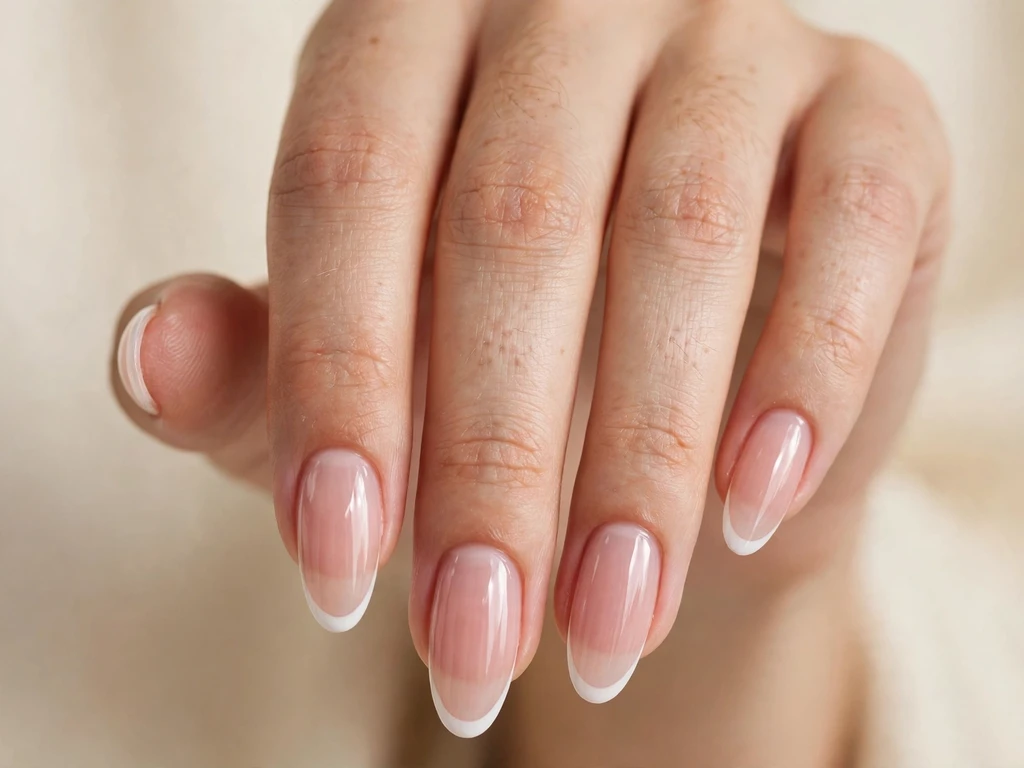
File the nails to a long round shape first, keeping all ten the same long length and the same shape, then paint a sheer pink or sheer nude base and a crisp white French tip that is narrow, about a fifth of the nail, with a short, tidy smile line. Paint the white in two thin coats, letting the first coat dry before the second so the colour stays smooth and even rather than streaky, and clean up the smile line with a flat brush dipped in remover before you seal it. A long round shape suits this classic long variation because the shape gives the white tip a clear, balanced line, and the sheer base keeps the white from looking harsh against the nail.
This variation suits work, family gatherings and everyday wear alike. It is a strong choice for readers who want a classic long French tip that looks deliberate and polished without any bold decoration, and it pairs with almost any outfit because the classic long palette stays quiet beside clothing and jewellery. The mistake to avoid is painting the tip in one thick coat, which shows brush marks and dries unevenly; a classic long tip shows every shortcut, so thin coats, a dry first coat and a sealed free edge matter more here than speed.
17. Evening Tip on Long Squoval Nails
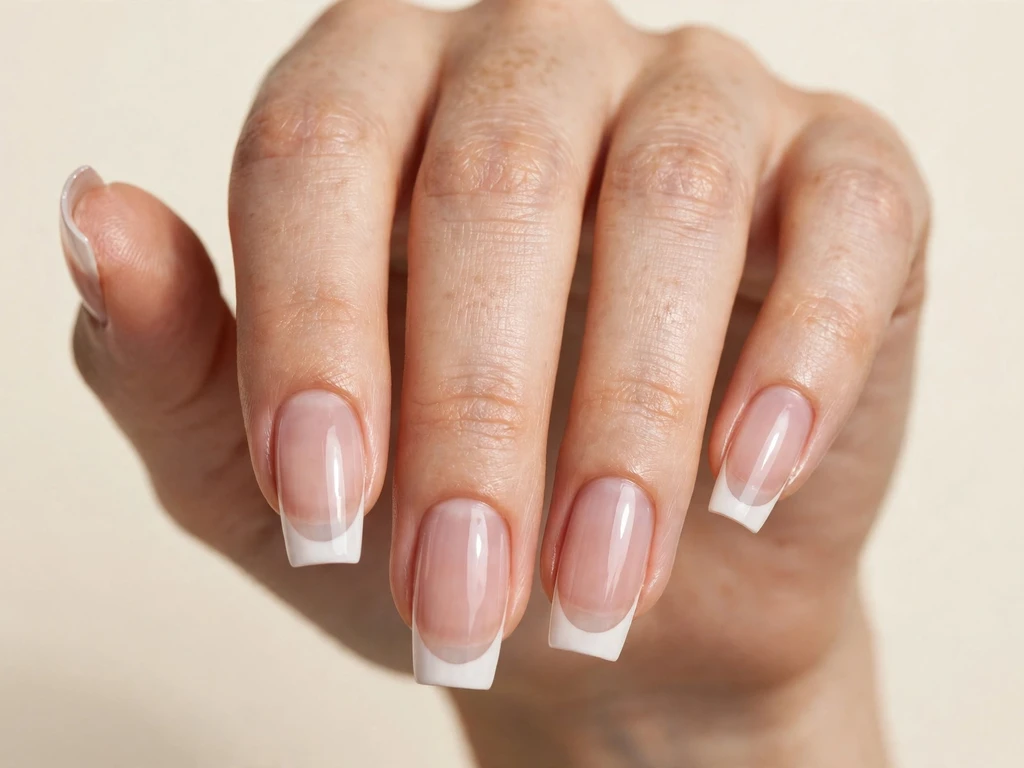
File the nails to a long squoval shape first, keeping all ten the same long length and the same shape, then paint a sheer pink or sheer nude base and a crisp white French tip that is balanced, about a quarter of the nail, with a polished smile line with a glossy seal. Paint the white in two thin coats, letting the first coat dry before the second so the colour stays smooth and even rather than streaky, and clean up the smile line with a flat brush dipped in remover before you seal it. A long squoval shape suits this classic long variation because the shape gives the white tip a clear, balanced line, and the sheer base keeps the white from looking harsh against the nail.
This variation suits a wedding, a formal dinner or a special photograph. It is a strong choice for readers who want a classic long French tip that looks deliberate and polished without any bold decoration, and it pairs with almost any outfit because the classic long palette stays quiet beside clothing and jewellery. The mistake to avoid is painting the tip too wide for the nail, which hides the nail bed and makes the set look painted over; a classic long tip shows every shortcut, so thin coats, a dry first coat and a sealed free edge matter more here than speed.
18. Accent Dot Tip on Long Coffin Nails
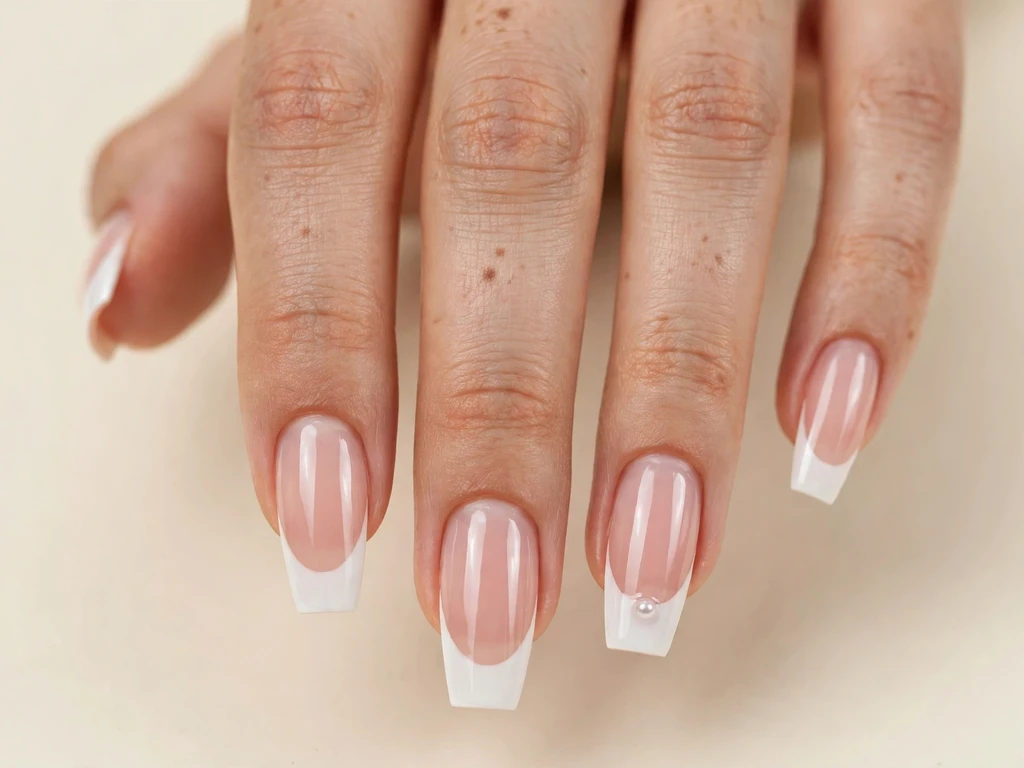
File the nails to a long coffin shape first, keeping all ten the same long length and the same shape, then paint a sheer pink or sheer nude base and a crisp white French tip that is balanced, about a quarter of the nail, with a clean smile line. Paint the white in two thin coats, letting the first coat dry before the second so the colour stays smooth and even rather than streaky, and clean up the smile line with a flat brush dipped in remover before you seal it. A long coffin shape suits this classic long variation because the shape gives the white tip a clear, balanced line, and the sheer base keeps the white from looking harsh against the nail.
This variation suits daytime outings, family photographs and casual celebrations. It is a strong choice for readers who want a classic long French tip that looks deliberate and polished without any bold decoration, and it pairs with almost any outfit because the classic long palette stays quiet beside clothing and jewellery. The mistake to avoid is rushing the second coat before the first is dry, which drags the white and blurs the smile line; a classic long tip shows every shortcut, so thin coats, a dry first coat and a sealed free edge matter more here than speed.
19. Formal Tip on Long Almond Nails
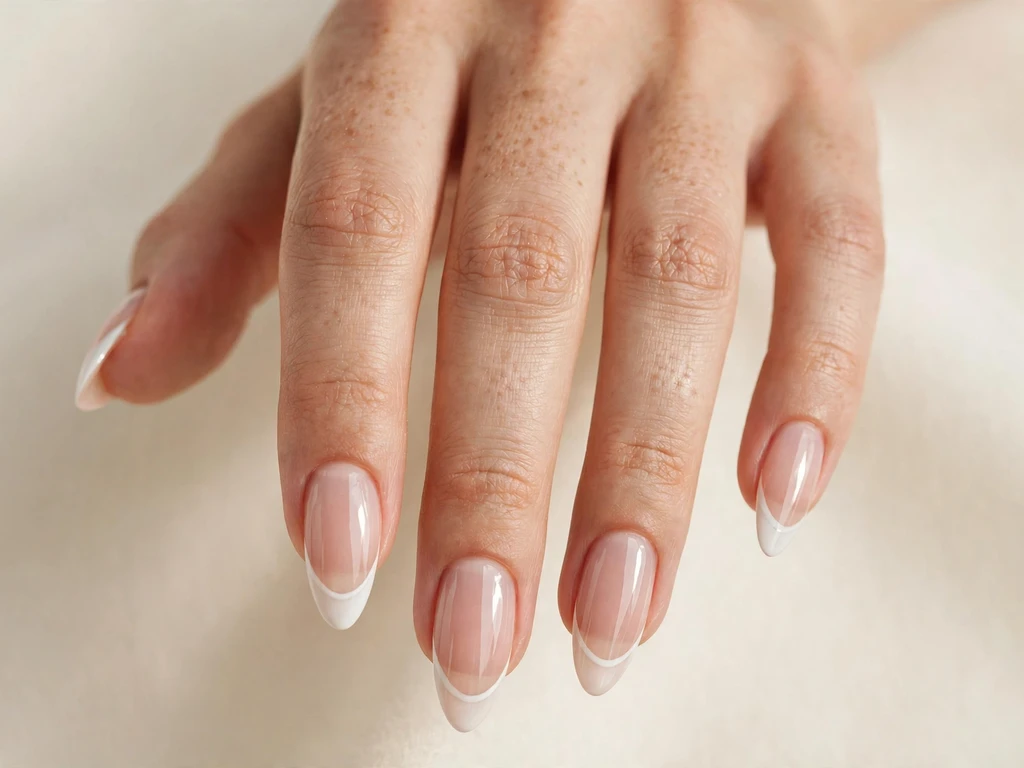
File the nails to a long almond shape first, keeping all ten the same long length and the same shape, then paint a sheer pink or sheer nude base and a crisp white French tip that is balanced, about a quarter of the nail, with a refined curved smile line. Paint the white in two thin coats, letting the first coat dry before the second so the colour stays smooth and even rather than streaky, and clean up the smile line with a flat brush dipped in remover before you seal it. A long almond shape suits this classic long variation because the shape gives the white tip a clear, balanced line, and the sheer base keeps the white from looking harsh against the nail.
This variation suits evening events, dinners and occasions when the hands are on show. It is a strong choice for readers who want a classic long French tip that looks deliberate and polished without any bold decoration, and it pairs with almost any outfit because the classic long palette stays quiet beside clothing and jewellery. The mistake to avoid is skipping the clean-up step, so a wobble in the smile line stays visible after sealing; a classic long tip shows every shortcut, so thin coats, a dry first coat and a sealed free edge matter more here than speed.
20. Fresh Tip on Long Square Nails
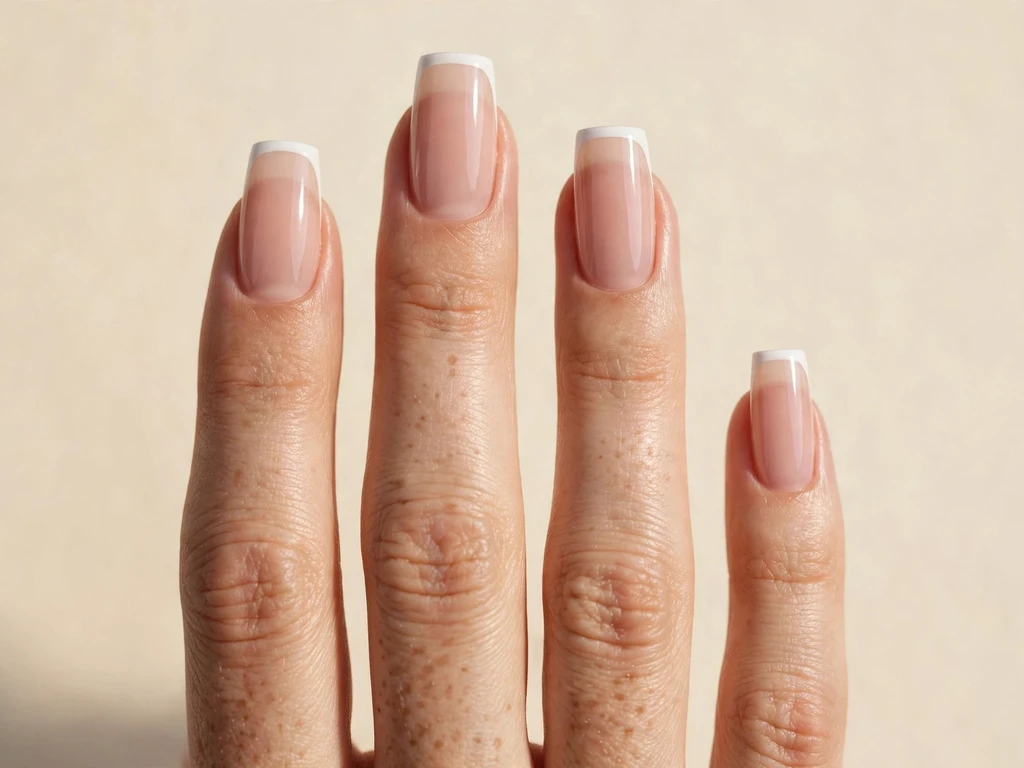
File the nails to a long square shape first, keeping all ten the same long length and the same shape, then paint a sheer pink or sheer nude base and a crisp white French tip that is narrow, about a fifth of the nail, with a bright, clean smile line. Paint the white in two thin coats, letting the first coat dry before the second so the colour stays smooth and even rather than streaky, and clean up the smile line with a flat brush dipped in remover before you seal it. A long square shape suits this classic long variation because the shape gives the white tip a clear, balanced line, and the sheer base keeps the white from looking harsh against the nail.
This variation suits quiet gatherings, office days and relaxed weekends. It is a strong choice for readers who want a classic long French tip that looks deliberate and polished without any bold decoration, and it pairs with almost any outfit because the classic long palette stays quiet beside clothing and jewellery. The mistake to avoid is forgetting to seal the free edge, which lets the tip chip sooner at the corners; a classic long tip shows every shortcut, so thin coats, a dry first coat and a sealed free edge matter more here than speed.
21. Classic Wedding Tip on Long Oval Nails
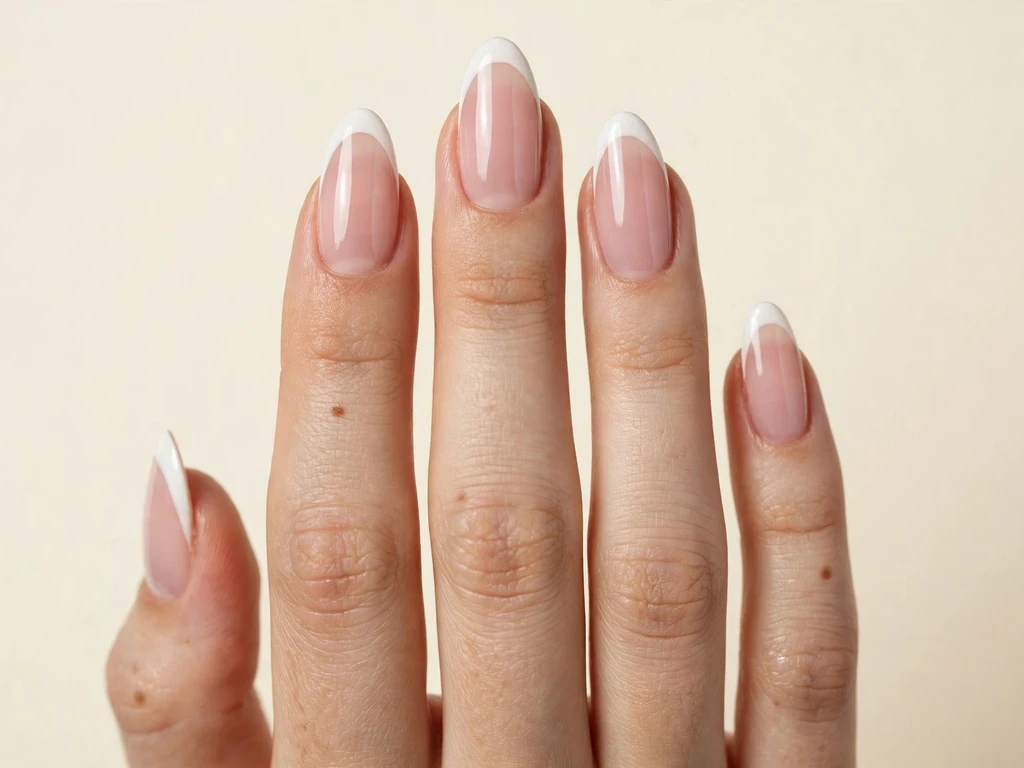
File the nails to a long oval shape first, keeping all ten the same long length and the same shape, then paint a sheer pink or sheer nude base and a crisp white French tip that is balanced, about a quarter of the nail, with a flawless curved smile line. Paint the white in two thin coats, letting the first coat dry before the second so the colour stays smooth and even rather than streaky, and clean up the smile line with a flat brush dipped in remover before you seal it. A long oval shape suits this classic long variation because the shape gives the white tip a clear, balanced line, and the sheer base keeps the white from looking harsh against the nail.
This variation suits work, family gatherings and everyday wear alike. It is a strong choice for readers who want a classic long French tip that looks deliberate and polished without any bold decoration, and it pairs with almost any outfit because the classic long palette stays quiet beside clothing and jewellery. The mistake to avoid is painting the tip in one thick coat, which shows brush marks and dries unevenly; a classic long tip shows every shortcut, so thin coats, a dry first coat and a sealed free edge matter more here than speed.
22. Weekend Tip on Long Round Nails
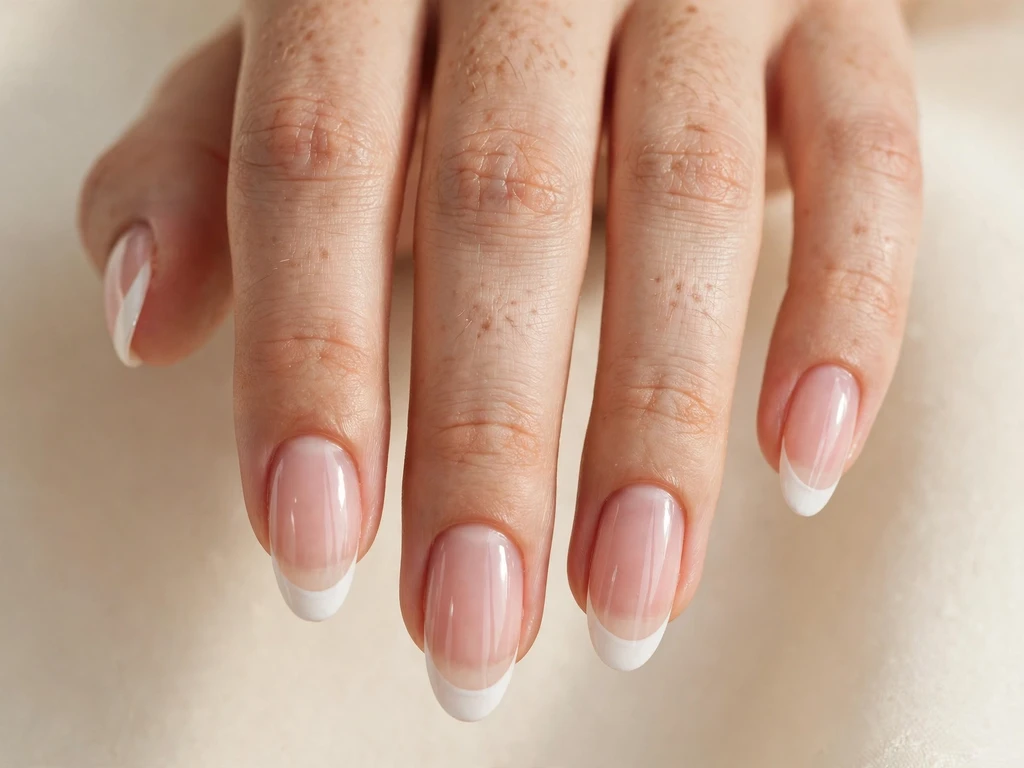
File the nails to a long round shape first, keeping all ten the same long length and the same shape, then paint a sheer pink or sheer nude base and a crisp white French tip that is narrow, about a fifth of the nail, with a relaxed, neat smile line. Paint the white in two thin coats, letting the first coat dry before the second so the colour stays smooth and even rather than streaky, and clean up the smile line with a flat brush dipped in remover before you seal it. A long round shape suits this classic long variation because the shape gives the white tip a clear, balanced line, and the sheer base keeps the white from looking harsh against the nail.
This variation suits a wedding, a formal dinner or a special photograph. It is a strong choice for readers who want a classic long French tip that looks deliberate and polished without any bold decoration, and it pairs with almost any outfit because the classic long palette stays quiet beside clothing and jewellery. The mistake to avoid is painting the tip too wide for the nail, which hides the nail bed and makes the set look painted over; a classic long tip shows every shortcut, so thin coats, a dry first coat and a sealed free edge matter more here than speed.
23. Rounded Tip on Long Squoval Nails
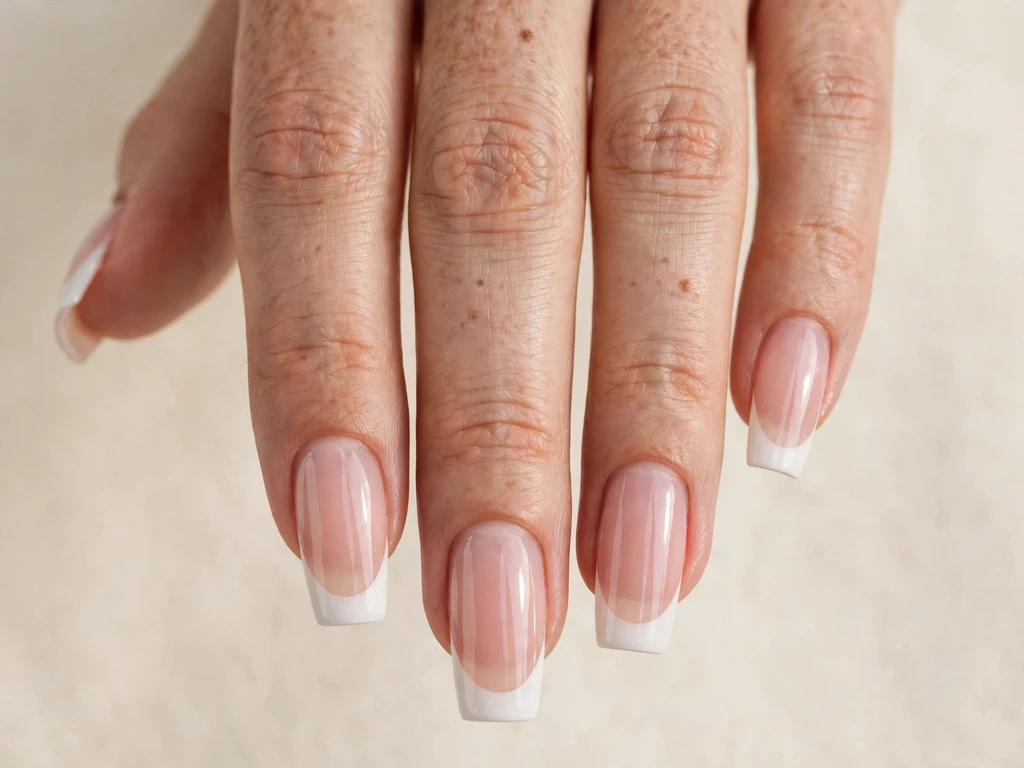
File the nails to a long squoval shape first, keeping all ten the same long length and the same shape, then paint a sheer pink or sheer nude base and a crisp white French tip that is balanced, about a quarter of the nail, with a soft rounded smile line. Paint the white in two thin coats, letting the first coat dry before the second so the colour stays smooth and even rather than streaky, and clean up the smile line with a flat brush dipped in remover before you seal it. A long squoval shape suits this classic long variation because the shape gives the white tip a clear, balanced line, and the sheer base keeps the white from looking harsh against the nail.
This variation suits daytime outings, family photographs and casual celebrations. It is a strong choice for readers who want a classic long French tip that looks deliberate and polished without any bold decoration, and it pairs with almost any outfit because the classic long palette stays quiet beside clothing and jewellery. The mistake to avoid is rushing the second coat before the first is dry, which drags the white and blurs the smile line; a classic long tip shows every shortcut, so thin coats, a dry first coat and a sealed free edge matter more here than speed.
24. Balanced Tip on Long Coffin Nails
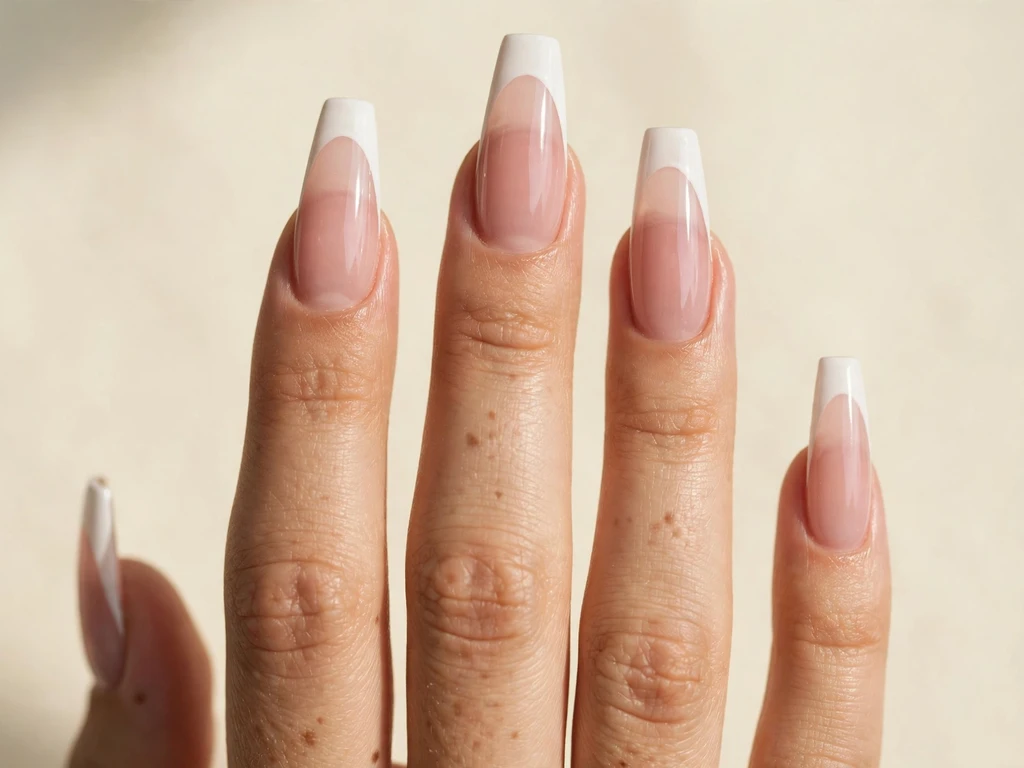
File the nails to a long coffin shape first, keeping all ten the same long length and the same shape, then paint a sheer pink or sheer nude base and a crisp white French tip that is balanced, about a quarter of the nail, with a clean curved smile line. Paint the white in two thin coats, letting the first coat dry before the second so the colour stays smooth and even rather than streaky, and clean up the smile line with a flat brush dipped in remover before you seal it. A long coffin shape suits this classic long variation because the shape gives the white tip a clear, balanced line, and the sheer base keeps the white from looking harsh against the nail.
This variation suits evening events, dinners and occasions when the hands are on show. It is a strong choice for readers who want a classic long French tip that looks deliberate and polished without any bold decoration, and it pairs with almost any outfit because the classic long palette stays quiet beside clothing and jewellery. The mistake to avoid is skipping the clean-up step, so a wobble in the smile line stays visible after sealing; a classic long tip shows every shortcut, so thin coats, a dry first coat and a sealed free edge matter more here than speed.
25. Dramatic Tip on Long Almond Nails
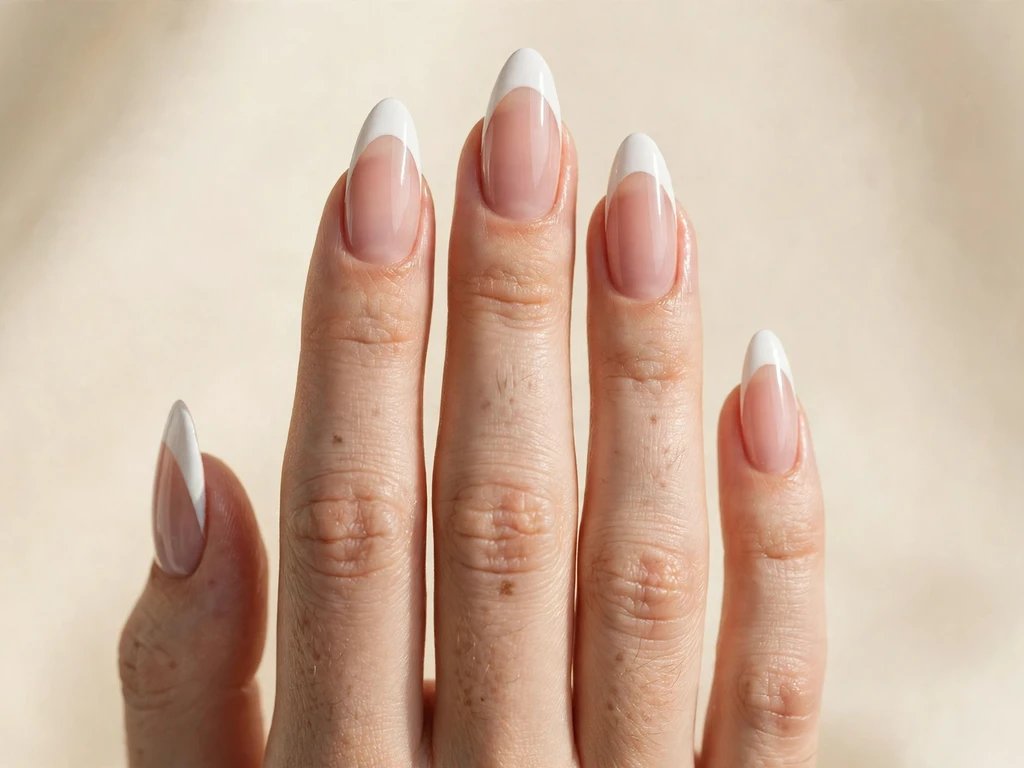
File the nails to a long almond shape first, keeping all ten the same long length and the same shape, then paint a sheer pink or sheer nude base and a crisp white French tip that is wide, about a third of the nail, with a dramatic curved smile line. Paint the white in two thin coats, letting the first coat dry before the second so the colour stays smooth and even rather than streaky, and clean up the smile line with a flat brush dipped in remover before you seal it. A long almond shape suits this classic long variation because the shape gives the white tip a clear, balanced line, and the sheer base keeps the white from looking harsh against the nail.
This variation suits quiet gatherings, office days and relaxed weekends. It is a strong choice for readers who want a classic long French tip that looks deliberate and polished without any bold decoration, and it pairs with almost any outfit because the classic long palette stays quiet beside clothing and jewellery. The mistake to avoid is forgetting to seal the free edge, which lets the tip chip sooner at the corners; a classic long tip shows every shortcut, so thin coats, a dry first coat and a sealed free edge matter more here than speed.
Classic French Tip Nails for Long Nails by Shape, Length and Occasion
| Shape / Length | Best classic variations | Occasion |
|---|---|---|
| Long almond | Classic tip, wedding tip, formal tip | Every occasion, weddings, photographs |
| Long square | Straight tip, work tip | Work, modern outfits |
| Long oval | Classic tip, everyday tip, work tip | Work, everyday wear, casual gatherings |
| Long round | Classic tip, everyday tip, work tip | Work, everyday wear, casual gatherings |
| Long squoval | Classic tip, everyday tip, work tip | Work, everyday wear, casual gatherings |
| Long coffin | Tapered tip, elegant tip | Evening events, formal occasions |
Styling Classic French Tip Nails for Long Nails for Everyday Wear and Special Occasions
For everyday wear, let the classic long tip do the talking and keep the rest of your look simple: a classic white tip pairs with almost any outfit, and a single simple ring or bracelet is enough beside it. For photographs, hold your hands naturally rather than posing them stiffly, and check the nails under the actual light before you leave, because white can look warmer or cooler under different bulbs.
For special occasions, choose a balanced or deep tip, and keep the rest of the set plain so the nails look intentional rather than decorated. A classic long tip with a sheer pink or sheer nude base is easy to wear with a formal outfit, and it still reads as polished without needing a bold motif. If your dress code is strict, a narrow tip is the safest option in this guide, because it is clearly neat but quietly so.
How to Make Classic French Tip Nails for Long Nails Last
Classic French Tip Nails for Long Nails last well at home because there is so little decoration to chip, but the base and top coats still matter more than anything else. Start with a proper base coat, wrap the free edge with each coat — base, colour and top coat — by running the brush lightly along the very edge of the nail, and finish with a glossy top coat that you reapply every two or three days. Reapplying top coat is the single easiest way to extend a home manicure, because it seals the free edge where chips start and refreshes the shine at the same time.
Protect the manicure from the things that chip tips fastest: wear gloves for washing up and cleaning, avoid using your nails as tools to open things, and moisturise your hands and cuticles daily so the skin around the nails does not dry out and lift the polish at the edges. If a single nail chips, do not repaint the whole set; file the chipped edge smooth, repaint just that tip in two thin coats, and seal it, and the repair will blend in far better than a rushed full repaint.
FAQs About Classic French Tip Nails for Long Nails
1. What is the easiest classic french tip nails for long nails variation to paint at home?
The easiest is a classic long tip, painted in two thin coats with a clean smile line. It needs no special tools beyond the polish brush, and a tip guide can help if a freehand line is uneven. Start with one hand to practise the smile line, then paint the full set once the line looks even.
2. How do I stop my classic long tip from looking streaky?
Paint in two thin coats and let the first coat dry before the second. Streaks almost always come from one thick coat, or from painting a second coat over a first coat that is still wet, which drags the colour and leaves brush marks. A good base coat also helps, because it gives the white a smooth surface to sit on.
3. How wide should a classic long tip be?
About a quarter of the visible nail is a good starting width on a medium nail, and about a fifth on a short nail. A tip painted much wider covers too much of the nail and turns a French tip into a coloured nail, while a tip painted too narrow can disappear on a longer nail. If you are unsure, paint narrower first and step back to look at the whole hand.
4. Which classic long variation suits work best?
A narrow or balanced classic long tip suits work best. It reads as polished but professional, and it suits most workplaces because the palette stays quiet. A wide or very long tip is better saved for evenings and special occasions, where a bolder look is welcome.
5. Do I need a striping brush to paint classic french tip nails for long nails?
No, not for a classic long tip — the polish brush itself is enough, and a tip guide can help if a freehand line is uneven. A striping brush becomes useful only for the thin second-line variation in this guide, and a flat clean-up brush is the useful tool for sharpening the smile line.
6. How do I paint a clean smile line for classic french tip nails for long nails?
Rest your hand on a flat surface, paint in short, steady strokes from one side of the nail to the other, and clean up the line with a flat brush dipped in remover before you seal it. Painting the tip in two thin coats also helps, because a thin coat is easier to control than a thick one, and a tip guide is a perfectly good option if freehand lines are not yet steady.
7. Can I paint classic french tip nails for long nails if my nails are a different shape or length?
Yes. The method in this guide works on other shapes and lengths too, but keep the tip proportion honest to the nail in front of you: narrower on shorter nails, balanced on medium nails, and wider only on longer nails. The long variations here are the best starting point, and the same two-thin-coats method carries over to any other shape.
8. Can I do classic french tip nails for long nails with regular polish, or do I need gel?
Regular polish works perfectly well for every variation in this guide, and it is the easier choice at home because it needs no lamp and is simple to remove. Gel gives a longer-lasting result and a harder shine, but it needs a lamp and careful removal, so regular polish is the better starting point for a first classic attempt.
9. How long do classic french tip nails for long nails last at home?
With a base coat, two thin colour coats, a top coat and a top-coat refresh every two or three days, a home classic manicure usually lasts several days to a week of normal wear. Gloves for washing up and cleaning make the biggest difference, because water and cleaning products chip polish faster than almost anything else.
10. Can I get classic french tip nails for long nails at a salon if I cannot paint them at home?
Yes. Take this guide with you and show the salon the variation you want, naming the classic long shade, the tip width, the shape and the length, because a picture plus a clear description gives the technician exactly what they need. The steps in this guide also help you explain what you want, even if you do not paint the set yourself.
Final Thoughts
Classic French Tip Nails for Long Nails are the most dependable home project in this series, because the French tip itself does so much of the work before any decoration is added at all. Start with a classic balanced tip, learn the two-thin-coats method and the clean smile line, and then vary the tip width and the smile line one change at a time as your confidence grows. The variations in this guide are not a test to complete in order; they are a menu to return to across the year, and the best one is always the version you can paint neatly and wear happily, whether that is a quiet narrow tip for work or a deep elegant tip for a wedding. File evenly, paint thin coats, keep the smile line clean, seal the free edge, and your classic long tips will look like you planned them, not like you rushed them.